
Tech in Environmental Restoration: Innovative Approaches
Environmental restoration is a critical process that aims to repair and regenerate ecosystems that have been impacted by human activities. With the ever-increasing threat of climate change and environmental degradation, new innovative approaches utilizing technology are being developed to address these challenges. In this article, we will explore the role of technology in environmental restoration and showcase some of the most cutting-edge solutions being implemented today.
Remote Sensing and Geospatial Technology
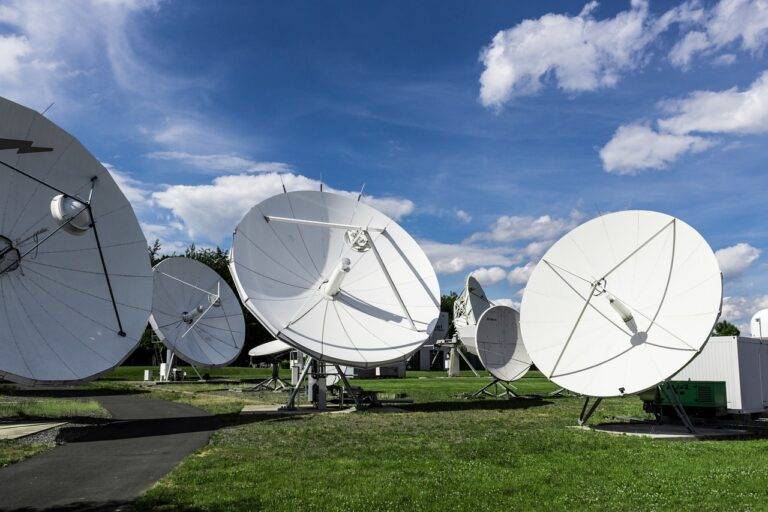
One of the key technologies revolutionizing environmental restoration is remote sensing and geospatial technology. These tools enable researchers and scientists to gather data on ecosystems from a distance, allowing for a comprehensive understanding of the landscape and its changes over time. By utilizing satellite imagery, drones, and GIS mapping, experts can monitor and assess environmental damage, plan restoration projects, and track progress effectively.
Bioremediation and Bioaugmentation
Bioremediation and bioaugmentation are innovative approaches that leverage the power of biological organisms to restore ecosystems contaminated with pollutants. Bioremediation involves using bacteria, fungi, and plants to break down and neutralize harmful substances, while bioaugmentation introduces specialized microorganisms to enhance the natural degradation processes. These biological solutions offer a sustainable and cost-effective way to clean up polluted sites and promote ecological recovery.
Artificial Intelligence and Machine Learning
Artificial intelligence (AI) and machine learning technologies are revolutionizing environmental restoration efforts by analyzing vast amounts of data to predict environmental changes and optimize restoration strategies. AI algorithms can identify patterns, predict outcomes, and suggest the most effective approaches for habitat restoration and species conservation. By harnessing the power of AI, researchers can make more informed decisions and accelerate the pace of environmental recovery.
Internet of Things (IoT) and Sensor Technology
The Internet of Things (IoT) and sensor technology are playing a crucial role in monitoring and managing environmental restoration projects in real-time. IoT devices and sensors can collect data on air quality, water levels, soil moisture, and biodiversity, providing valuable insights into the health of ecosystems and the effectiveness of restoration efforts. By utilizing IoT technology, environmental scientists can make informed decisions and adapt their strategies to achieve better outcomes.
Robotics and Automation
Robotic technology and automation are transforming the field of environmental restoration by performing tasks that are too dangerous or labor-intensive for humans. Robotic platforms equipped with cameras, sensors, and manipulators can navigate challenging terrains, plant trees, remove invasive species, and conduct monitoring activities with precision and efficiency. By incorporating robotics into restoration projects, researchers can enhance their capabilities and achieve more significant results in less time.
Blockchain and Smart Contracts
Blockchain technology and smart contracts are revolutionizing the way environmental restoration projects are funded, monitored, and executed. By utilizing blockchain platforms, stakeholders can transparently track financial transactions, verify project milestones, and ensure that funds are allocated efficiently. Smart contracts enable automated payments based on predefined conditions, reducing transaction costs and improving accountability in restoration initiatives. By leveraging blockchain technology, environmental organizations can streamline project management and increase trust among stakeholders.
Conclusion
As the impact of climate change and environmental degradation continues to escalate, innovative approaches utilizing technology are becoming increasingly important in the field of environmental restoration. By harnessing the power of remote sensing, bioremediation, artificial intelligence, IoT, robotics, and blockchain, researchers and practitioners can address complex environmental challenges more effectively and sustainably. Through collaborative efforts and continuous innovation, we can restore and preserve our precious ecosystems for future generations to enjoy.
FAQs
1. What is environmental restoration?
Environmental restoration is the process of repairing and regenerating ecosystems that have been impacted by human activities, such as pollution, deforestation, or climate change. It aims to restore ecological balance, improve biodiversity, and enhance ecosystem services for the benefit of humans and wildlife.
2. How does technology contribute to environmental restoration?
Technology plays a crucial role in environmental restoration by providing tools and solutions to monitor, assess, and improve degraded ecosystems. Technologies such as remote sensing, bioremediation, artificial intelligence, IoT, robotics, and blockchain enable researchers and practitioners to address environmental challenges more effectively and sustainably.
3. What are some examples of innovative technological approaches in environmental restoration?
Some examples of innovative technological approaches in environmental restoration include remote sensing and geospatial technology for monitoring environmental changes, bioremediation and bioaugmentation for cleaning up polluted sites, artificial intelligence and machine learning for data analysis and decision-making, IoT and sensor technology for real-time monitoring, robotics and automation for performing labor-intensive tasks, and blockchain and smart contracts for transparent project management.