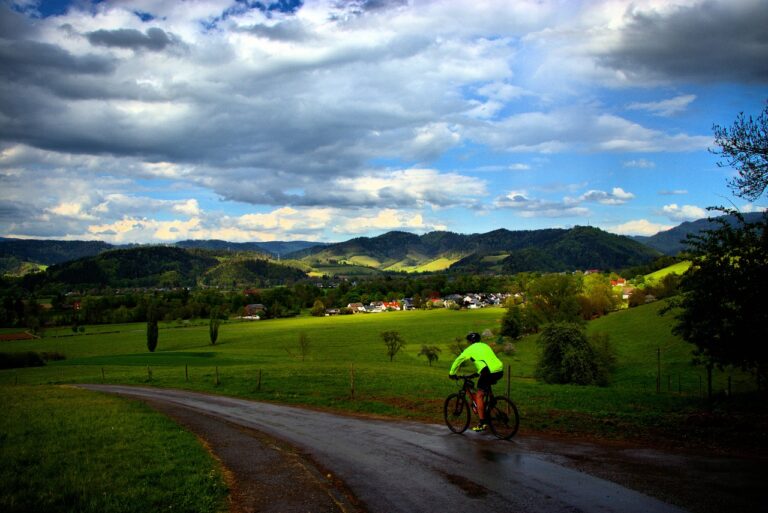

Green Space and Public Health: The Benefits of Nature on Wellbeing
Green spaces, such as parks, forests, and gardens, have long been recognized for their positive impact on mental and physical health. In today’s fast-paced and technology-driven world, the importance of connecting with nature is more important than ever. Research has shown that spending time in green spaces can have a profound impact on our overall wellbeing, from reducing stress and anxiety to improving cognitive function and boosting mood. In this article, we will explore the various benefits of green space on public health and why it is essential to incorporate nature into our daily lives.
The Connection Between Green Space and Wellbeing
Studies have consistently shown that spending time in nature can have a powerful effect on our mental and physical health. Being surrounded by greenery and natural landscapes has been linked to a wide range of benefits, including:
- Reduced stress and anxiety levels
- Improved mood and mental wellbeing
- Enhanced cognitive function and creativity
- Increased physical activity and exercise
- Better immune system function and overall health
One of the main reasons why green spaces have such a positive impact on our wellbeing is their ability to promote relaxation and reduce the harmful effects of chronic stress. Studies have shown that spending time in nature can lower cortisol levels, a hormone that is associated with stress. Being in a natural environment can help us unwind, clear our minds, and improve our overall mental wellbeing.
The Benefits of Nature on Physical Health
Not only does spending time in green spaces improve our mental health, but it can also have a positive impact on our physical health. Green spaces provide opportunities for exercise and physical activity, whether it’s taking a walk in the park or going for a run in the forest. Regular physical activity has been linked to a reduced risk of chronic diseases, such as heart disease, obesity, and diabetes.
Furthermore, green spaces can help improve air quality and reduce pollution levels, which can have a significant impact on our respiratory health. Trees and plants absorb pollutants and produce oxygen, helping to create a cleaner and healthier environment for us to live in. Studies have shown that living near green spaces can reduce the risk of respiratory illnesses and improve overall lung function.
Enhancing Social Connections and Community Wellbeing
Green spaces also play a vital role in enhancing social connections and community wellbeing. Parks, gardens, and other natural environments provide opportunities for people to come together, socialize, and connect with each other. Spending time in green spaces can help foster a sense of community and belonging, which is essential for our overall wellbeing.
Research has shown that living near green spaces can lead to stronger social ties, increased community engagement, and improved mental health. Parks and other natural environments serve as gathering places for people of all ages, backgrounds, and interests, providing a sense of unity and shared purpose that is beneficial for our mental and emotional wellbeing.
FAQs
1. How often should I spend time in green spaces to reap the benefits?
Experts recommend spending at least 30 minutes to an hour in nature every day to experience the positive effects on your mental and physical health.
2. Can indoor plants have the same benefits as outdoor green spaces?
While indoor plants can help improve air quality and create a calming environment, spending time in outdoor green spaces has been shown to have a more significant impact on overall wellbeing.
3. How can I incorporate green spaces into my daily routine?
You can incorporate green spaces into your daily routine by taking a walk in the park, eating your lunch outdoors, gardening, or simply spending time in your backyard or balcony surrounded by plants and nature.
Overall, green spaces have a multitude of benefits on our mental, physical, and emotional wellbeing. By incorporating nature into our daily lives, we can experience the positive effects of green spaces and improve our overall quality of life.