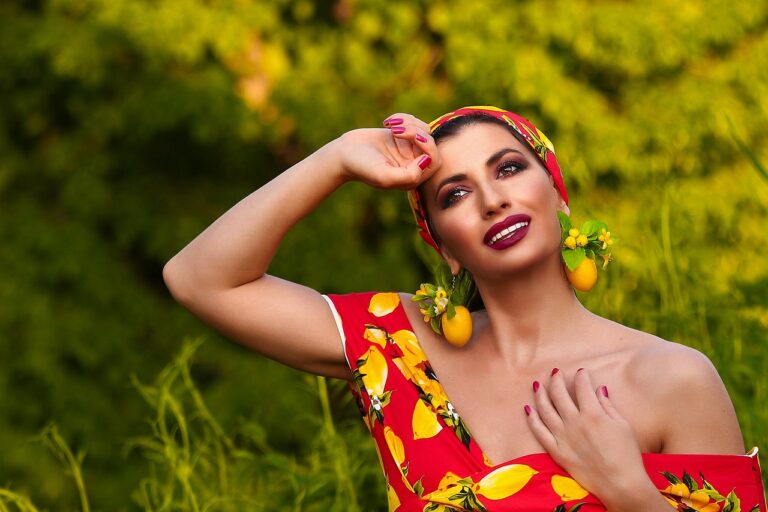

Fashion and Cultural Significance: Clothing as a Reflection of Society
The relationship between fashion and culture is a complex and intricate one, with clothing serving as a powerful tool for expressing cultural identity, values, and societal norms. As individuals, we use clothing to communicate our personal style and preferences, but on a broader scale, fashion trends can reflect the social, political, and economic climate of a society.
The Evolution of Fashion: From Traditional to Modern
Throughout history, clothing has played a crucial role in shaping cultural identity and social hierarchies. Traditional attire often carries deep cultural meanings and symbolism, serving as a visual representation of a community’s values and beliefs. For example, the bright colors and intricate patterns of traditional African attire reflect the rich cultural heritage and diversity of the continent.
As societies evolve and adapt to changing circumstances, so too does fashion. The Industrial Revolution of the 18th and 19th centuries brought about significant changes in clothing production, making fashion more accessible to the masses. This period marked the beginning of mass production and the rise of fashion as a global industry.
The Influence of Globalization on Fashion Trends
Globalization has played a major role in shaping modern fashion trends, as cultural exchange and the spread of ideas have led to a blending of styles from around the world. Today, we see a mix of traditional and contemporary influences in fashion, with designers drawing inspiration from a wide range of cultural sources.
One example of the influence of globalization on fashion is the rise of streetwear as a dominant trend in urban fashion. Originating from youth subcultures in the United States, streetwear has now become a global phenomenon, with brands like Supreme and Off-White leading the way in drawing from hip-hop, skateboarding, and other urban cultures.
The Power of Fashion as a Form of Protest
Clothing has also been used as a form of protest, with individuals using fashion to challenge societal norms and express dissent. In the 1960s, the hippie movement embraced a bohemian style of dress, rejecting traditional notions of beauty and conformity in favor of individuality and freedom of expression.
More recently, the fashion industry has seen a rise in activism and social justice movements, with designers using their platforms to advocate for change. For example, the Black Lives Matter movement has sparked conversations about diversity and representation in the fashion industry, leading to calls for greater inclusivity and representation of marginalized communities.
Clothing as a Reflection of Social Status and Identity
In many societies, clothing serves as a marker of social status and identity, with certain styles and brands being associated with wealth and privilege. Throughout history, clothing has been used to denote class distinctions, with sumptuary laws in medieval Europe regulating what different classes could wear.
Today, we see similar trends in the fashion industry, with luxury brands like Gucci and Louis Vuitton symbolizing wealth and exclusivity. The rise of streetwear and athleisure as dominant trends has blurred the lines between high and low fashion, with luxury brands collaborating with streetwear labels to capitalize on the demand for casual, urban-inspired clothing.
The Role of Fashion in Shaping Gender Identities
Gender identity is another important aspect of fashion, with clothing often being used to express one’s gender identity and explore notions of masculinity and femininity. In recent years, there has been a growing movement towards gender-neutral fashion, with designers challenging traditional gender norms and embracing a more inclusive approach to design.
Some designers have even gone as far as creating unisex collections, blurring the lines between menswear and womenswear. This shift towards gender inclusivity reflects a broader cultural shift towards greater acceptance and recognition of diverse gender identities.
The Future of Fashion and Cultural Significance
As we look towards the future, it is clear that the relationship between fashion and culture will continue to evolve, with designers and consumers alike pushing the boundaries of what is considered fashionable. Sustainability and ethical production practices are becoming increasingly important considerations in the fashion industry, as consumers demand transparency and accountability from brands.
With the rise of social media and digital technology, fashion has become more accessible than ever, with influencers and online platforms driving trends and shaping consumer behavior. The democratization of fashion has empowered individuals to express themselves through their clothing choices, leading to a more diverse and inclusive fashion landscape.
FAQs
1. How does fashion reflect cultural identity?
Fashion reflects cultural identity by incorporating elements of tradition, history, and symbolism into clothing styles and designs. By drawing on cultural heritage, designers can create garments that resonate with specific cultural groups and convey a sense of belonging and pride.
2. Why is clothing considered a form of protest?
Clothing can be considered a form of protest because it allows individuals to challenge societal norms, express dissent, and advocate for social change. By using fashion as a platform for activism, individuals can raise awareness about important social issues and spark conversations about diversity, equality, and justice.
3. How does fashion influence social status and identity?
Fashion influences social status and identity by serving as a marker of wealth, privilege, and belonging. Certain styles and brands are associated with specific social groups, leading to the creation of subcultures and fashion tribes that share similar values and aesthetics.
4. What is the significance of gender-neutral fashion?
Gender-neutral fashion challenges traditional gender norms and allows individuals to express their gender identity in a more fluid and inclusive way. By creating clothing that is not tied to specific gender categories, designers can empower individuals to embrace their unique identity and style without conforming to traditional expectations.
5. How is sustainability shaping the future of fashion?
Sustainability is shaping the future of fashion by driving a shift towards more ethical and environmentally conscious production practices. As consumers become more aware of the impact of fast fashion on the environment, there is a growing demand for sustainable and eco-friendly alternatives that prioritize transparency, fair labor practices, and environmental stewardship.
Overall, clothing serves as a powerful reflection of society, capturing the ever-changing dynamics of culture, identity, and social norms. By examining the ways in which fashion influences and is influenced by society, we gain a deeper understanding of the role that clothing plays in shaping our collective identity and values.